Sustainable business development (ESG)

Two programmes to choose from: an introductory course of 8 academic hours and an advanced course of 16 academic hours on environmental, social and corporate responsibility

8 or 16 academic hours
HSE IPAA certificate of completion of ESG training
368 300 ₸ /course
290 000 ₸ /course
Online

“Online” — go to online learning: find a course, buy it and start right away

Why ESG is so important

Why ESG is so important

Taking ESG factors into account is no longer a voluntary initiative: it affects access to financing, relations with the regulator and the sustainability of a company's business model.

Changes in consumer preferences

Consumers increasingly choose goods and services of companies that demonstrate social responsibility.

Regulatory requirements

Many countries are introducing new requirements obliging companies to disclose information on ESG factors.

Investment trends

Investors are paying more and more attention to companies with sustainable business models.

Risk mitigation

Taking ESG factors into account reduces the long-term climate, reputational and social risks of a business.

What ESG training and implementation give you

Improving reputation and increasing the trust of clients, investors and stakeholders
Attracting investment and the interest of ESG investors
Reducing operating costs by optimising the use of resources
Increasing innovation and developing products for sustainable development
A holistic understanding of ESG principles and approaches
Competencies in assessing a company's environmental and social risks
Skills in developing ESG strategies and programmes
The ability to prepare ESG reports in accordance with international standards

Training objectives

The programme is oriented to the requirements of the new investment policy and the regulatory expectations of the Republic of Kazakhstan.

Holistic understanding of ESG

Building a systematic understanding of the principles and approaches of sustainable development.

Professional competencies

Assessment of environmental and social risks, application of ESG tools, development of strategies and programmes.

Communication and partnership

Improving skills in interacting with stakeholders and building partnerships in the field of ESG.

How to choose a programme

HSE IPAA offers two programmes depending on the employees' level of awareness.

Introductory course, 8 academic hours

For beginner learners: the basic concepts of E, S and G and ESG reporting in Kazakhstan.

Advanced course, 16 academic hours

Formed on the basis of the results of a preliminary survey of learners to suit the company's tasks.

Corporate format

Group training for a department and individual consultations are available.

Who takes ESG training

Top and middle management of the company
Sustainable development department staff
Procurement department — selecting suppliers based on sustainable development principles
Production units
Financial and credit departments preparing ESG reporting

Curriculum

An introductory course of 8 academic hours and an advanced course of 16 academic hours.

2 programmes to choose from
8 academic hours introductory course
16 academic hours advanced course
  • Climate change and the strategy of low-carbon neutrality
  • Renewable energy sources and energy efficiency in Kazakhstan
  • Waste management and environmental protection
  • Protection of labour and human rights
  • Health and safety
  • Identifying and engaging stakeholders
  • Ethical standards
  • Corporate governance
  • ESG reporting in Kazakhstan
  • Calculation of the carbon footprint in operations and the loan portfolio, green financing
  • Climate programme: strategy, scopes
  • Protection of ambient air, reduction of greenhouse gas emissions
  • Financing in the field of energy and water resources
  • Financial contributions by companies and monitoring of their intended use
  • Current trends in ESG, the role of green finance, red flags in ESG
  • Personnel management, financial literacy
  • Inclusion and gender equality
  • Contribution to the local community, social packages and compulsory medical insurance — reflection in the report
  • How to assess the transparency of social initiatives
  • Strategy, requirements of authorised bodies, functions of ESG experts
  • CSR, strategy, priority map
  • How E and S depend on G: specifics in the RK
  • Automated methods of monitoring and assessment
  • A standard package of topics for preparing an ESG report
  • Laws, methodology and report execution
  • Preparing an ESG report according to international standards
  • Concept of ESG implementation in financial organisations of the RK
  • Interpretation of IFRS S1 and S2, the link with the sustainability reporting system and requirements for additions to it

Course price

290 000 ₸

Learn now, pay later!
35 295 ₸/mo
27 792 ₸/mo

Installments for 12 months

15%

A convenient learning platform

A personal account with a clear interface: manage your training, track your progress and communicate with instructors in one place.

Training materials

All lectures, presentations and assignments in one place

Class schedule

A calendar with reminders of upcoming classes

Progress

Progress and completed assignments

Video lectures

Watch lectures at a convenient time

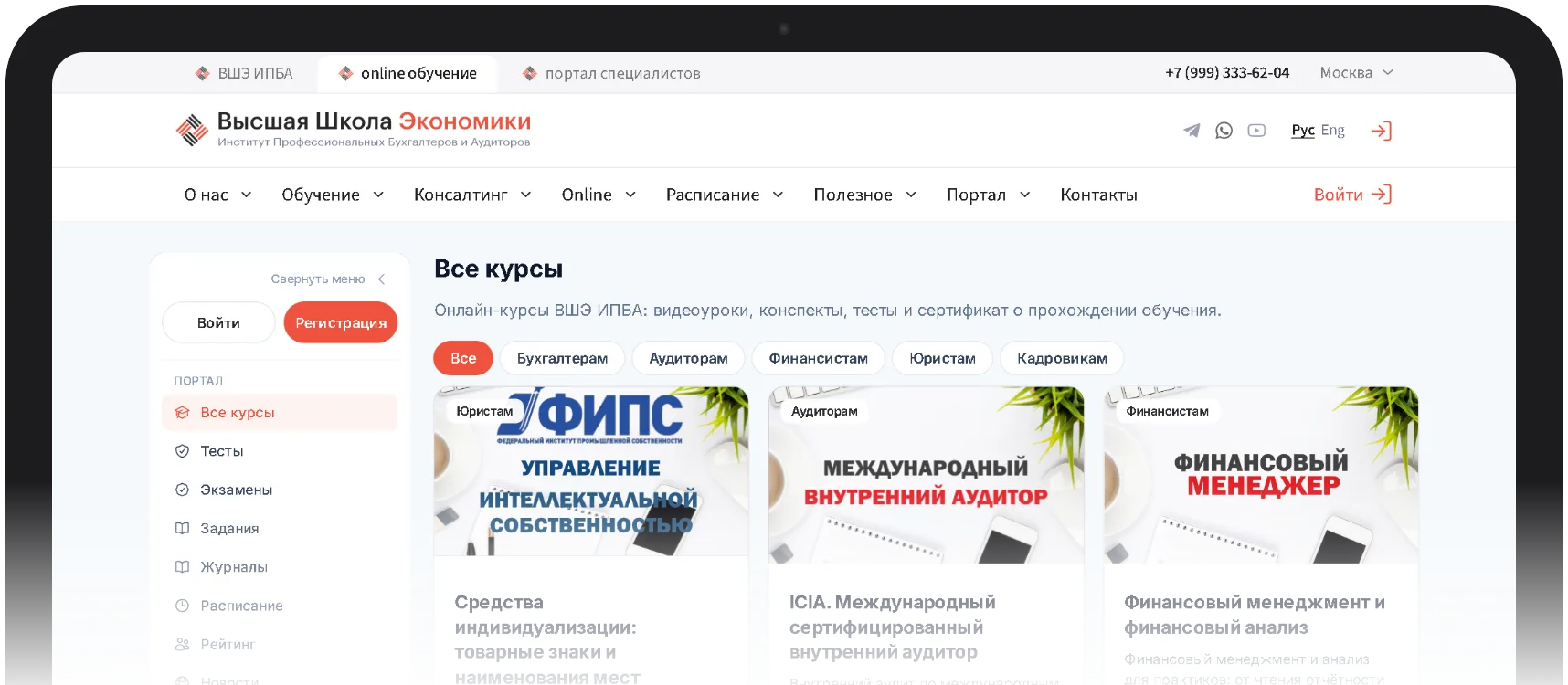
Learning platform interface
FAQ

Frequently asked questions about the "Sustainable Business Development (ESG)" course

Didn't find an answer? Ask a question — a manager will reply and help you choose a program.

Ask a question
01 Who is the "Sustainable Business Development (ESG)" course suitable for?

The course is suitable for specialists who need to systematise their knowledge of “Sustainable Business Development (ESG)”, improve their qualifications and apply new skills in their work.

02 What does the course programme include?

The programme covers the key requirements, professional tools and practical aspects of the course topic — two programmes to choose from: an introductory course of 8 academic hours and an advanced course of 16 academic hours on environmental, social and corporate responsibility.

03 Are practical classes included?

Yes. Theory is reinforced with practical assignments, examples and professional situations so that learners can apply their knowledge at work.

04 What are the duration and format of the training?

Format of training: according to the course schedule. Duration: 8 or 16 academic hours.

05 What document is issued after the training?

Upon successful completion of the course, a HSE IPAA Certificate of ESG training completion is issued. The conditions of the final assessment are announced before classes begin.

Course price

290 000 ₸

Learn now, pay later!
35 295 ₸/mo
27 792 ₸/mo

Installments for 12 months

15%

About the “Sustainable business development (ESG)” program

ESG – Environmental, Social, Governance (environmental, social and governance factors). The ESG concept implies that companies should take into account not only financial indicators but also their impact on the environment, society and the quality of governance.

Why is ESG so important?

  • Changing consumer preferences: Consumers increasingly choose goods and services of companies that demonstrate their social responsibility.
  • Regulatory requirements: Many countries are introducing new regulatory requirements obliging companies to disclose information on ESG factors.
  • Investment trends: Investors are paying more and more attention to companies with sustainable business models.
  • Risk reduction: Taking ESG factors into account reduces long-term business risks, such as climate risks, reputational risks and social conflicts.

ESG training and implementation will give you:

  • Improved reputation: Greater trust from customers, investors and other stakeholders.
  • Attracting investment: Increased interest from ESG investors.
  • Lower operating costs: Optimised use of resources and reduced environmental risks.
  • Greater innovation: Stimulating the development of new products and services focused on sustainable development.

In companies that actively implement ESG principles (environmental, social and corporate responsibility), training can be provided for various categories of employees.

The main groups of employees who undergo ESG training:

  • Management: Senior and middle management must understand the company's strategic ESG goals, be able to make informed decisions and be accountable for their implementation.
  • Departments directly related to ESG:
    • Sustainability department: Employees of this department develop and implement the company's ESG strategy, track progress and prepare reporting.
    • Procurement department: Training helps to select suppliers who also adhere to the principles of sustainable development.
    • Production department: Employees of production units are trained in technologies that minimise the negative impact on the environment.
    • HR department: Those responsible for creating safe and fair working conditions and for developing training and professional development programmes for employees.
  • All other employees: Even those who do not work directly on ESG projects must understand the importance of these principles and contribute to their implementation in their daily work.

Training objectives:

  • Building a comprehensive understanding of ESG principles and approaches;
  • Developing professional competencies in assessing companies' environmental and social risks, applying ESG approaches and tools, and developing effective ESG strategies and programmes;
  • Improving communication skills and building partnerships in the field of ESG;
  • Obtaining the most up-to-date knowledge and skills in implementing ESG in line with the new investment policy and other requirements of the Republic of Kazakhstan.

The Higher School of Economics offers you ESG implementation training under two programmes of your choice, depending on the level of awareness of your employees:

«Introductory course for beginners» 8 academic hours

Block 1. Environmental responsibility in Kazakhstan:

Climate change and the low-carbon neutrality strategy

Renewable energy sources and energy efficiency in Kazakhstan

Waste management and environmental protection

Block 2. Ethics and stakeholder engagement:

Protection of labour and human rights

Health and safety

Identifying and engaging stakeholders

Ethical standards

Block 3. Corporate governance and ESG reporting:

Corporate governance

ESG reporting in Kazakhstan

Course for advanced participants in ESG (Advanced ESG training) (formed on the basis of a preliminary survey of participants. One of the options is given below). 16 academic hours

Block 1. ENVIRONMENTAL:

  1. Calculating the carbon footprint of operating activities and the loan portfolio, green financing.
  2. Climate programme: strategy, scopes.
  3. Protection of atmospheric air, reduction of greenhouse gas emissions.
  4. Financing in the field of energy and water resources.
  5. Companies' financial contributions and control over their intended use.
  6. Current trends in ESG, green financing and the role of ESG, red flags in ESG.

Block 2. SOCIAL:

  1. Personnel management, financial literacy.
  2. Inclusion, gender equality.
  3. Contribution to the local community, social packages and compulsory social health insurance (OSMS) – reflection in the report.
  4. How to assess the transparency of social initiatives?

Block 3. CORPORATE GOVERNANCE:

  1. Strategy, requirements of the authorised bodies, functions of ESG experts.
  2. CSR, strategy, priority map.
  3. How "E" & "S" depend on “G”, specifics in the RK, and modern automated methods of monitoring and assessment.

Block 4. Reports under ESG standards:

  1. Standard set of topics for preparing an ESG report.
  2. Laws. Methodology. Preparation of the report.
  3. How to prepare an ESG report for a company that meets the requirements of international standards.
  4. General principles of the concept of implementing ESG in financial organisations of the RK, required ESG reporting, calculation of the carbon footprint, interpretation of IFRS S1 and S2, link with the risk management system (RMS), requirements for additions to the RMS.

Cost of ESG training:

The cost of group training according to the schedule

The cost of individual training on request

Not sure which program to choose?

Our specialists will help you choose a program for your goals and answer all your questions. The consultation is free!

Reach us in one click: call us. +7 (727) 224-21-21
contact us via messengers
Enroll
Call
Message on WhatsApp
Message on Telegram
Menu close
Language
Рус Қаз Eng

Google translation