 hseipaa.kz




Patent information
Structure of publications, bibliographic data, claims and description of the invention. Links between documents within a patent family.
Master the search and analysis of patent information for technology research and preparing analytical reports.
 Please enquire
 150 hours
 Diploma of qualification
“Online” — go to online learning: find a course, buy it and start right away

Searching for patent documents, systematising data, researching technology areas and preparing patent landscapes. Cost — 400 000 instead of 600 000 tenge.
Structure of publications, bibliographic data, claims and description of the invention. Links between documents within a patent family.

Translating a research task into queries, selecting terms and classifications, defining the time and geographic boundaries of the search.

Selection of relevant documents, removal of duplicates, normalisation of applicant names and preparation of the dataset for analysis.

A study of publication dynamics, technology areas and market participants. Charts, conclusions and a description of the study's limitations.
 Formulating the task of a patent study and the criteria for selecting documents.
Compose search queries with keywords and patent classifications.
Analysing the structure of a patent publication and the links between documents of a family.
Systematising results, eliminating duplicates and checking data quality.
Analyse applicants, the geography of publications and the development of technology areas.
Prepare a patent landscape and a report with clear charts and well-founded conclusions.
Consistent work with patent information: from defining the task to a clear report.

Six consecutive modules link problem setting, document search, dataset processing and presentation of results.

Attention is paid to the reproducibility of the search, references to documents and a transparent description of the research criteria.

The methods are suitable for technology reviews, research projects and information support of innovation teams.
Recommendations for successfully mastering patent analytics and preparing to work with research data.

Skills in searching the internet, reading professional texts and comparing sources are useful for mastering the material.

Confident use of a computer and spreadsheets for sorting, grouping and analysing data is recommended.

Prepare the technology area that interests you: it will help link the training topics to your professional practice.
Specialists in intellectual property and patent information.
Researchers, engineers and employees of scientific organisations.
Analysts and technology development teams of companies.
Entrepreneurs and heads of innovative projects.
6 modules and 18 topics: from the structure of a patent document to search strategy, data processing, patent landscapes and an analytical report.


400 000 ₸

Installments for 12 months
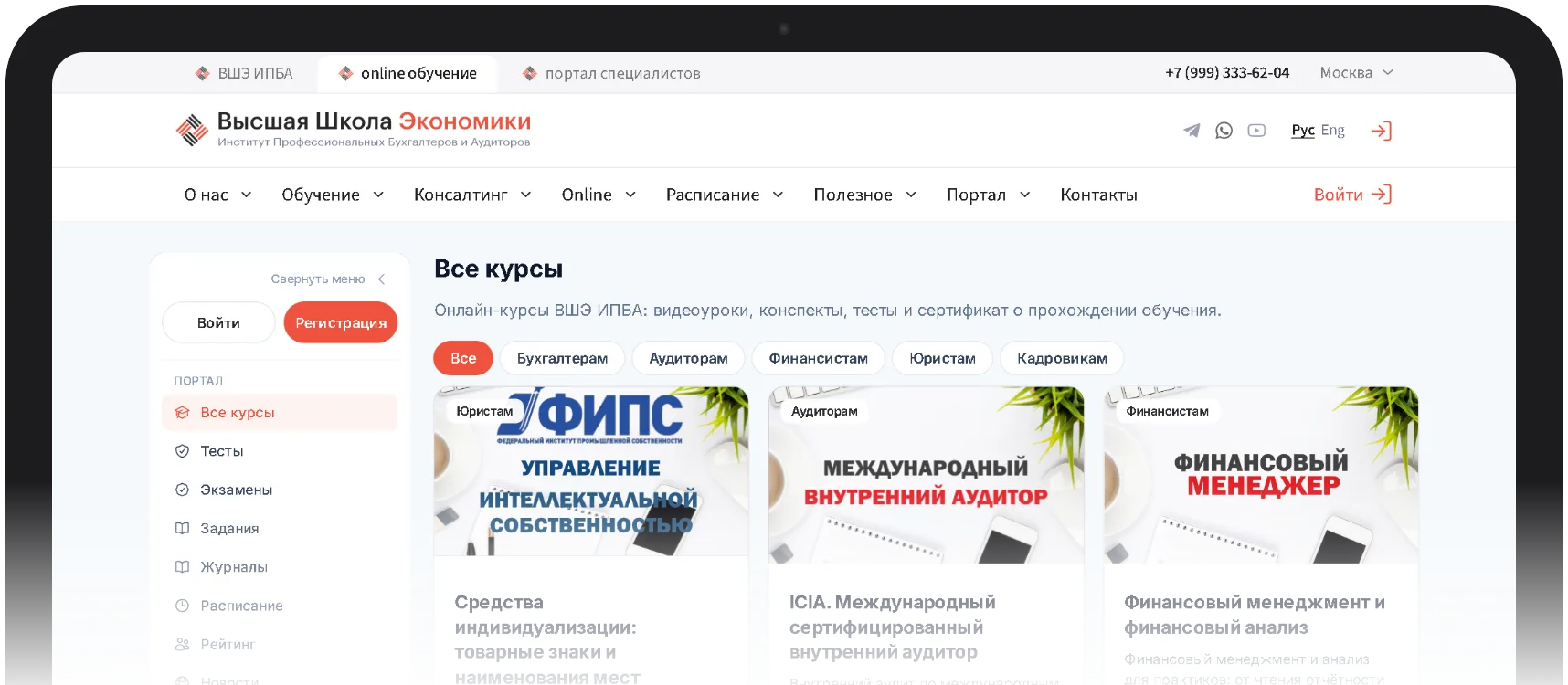
A personal account with a clear interface: manage your training, track your progress and communicate with instructors in one place.
All lectures, presentations and assignments in one place
A calendar with reminders of upcoming classes
Progress and completed assignments
Watch lectures at a convenient time
Didn't find an answer? Ask a question — a manager will reply and help you choose a program.
Ask a questionTraining is held once groups are formed, and the training time is agreed with the course participants. You can always study online at any convenient time on our portal on.hseipaa.kz.
The tuition fee is fixed and available in the schedule, but may be changed for corporate groups and regions.
Training is delivered by certified specialists with extensive practical and theoretical experience, as well as academic degrees and titles.
Training is held in our classrooms, on site at the client, online via the on.hseipaa.kz platform.
Training is held in our classrooms, on site at the client, online via the on.hseipaa.kz platform.
Depending on the training programme, we recommend reviewing the Training section on our website. With online training you can always see the exact duration of the course down to the minute.
400 000 ₸
Installments for 12 months
Patent analytics is a structured way of working with documents on technical solutions: searching, selecting, organising and interpreting information. It helps researchers and companies follow the development of technologies, compare lines of development and see the activity of market participants. The "Patent Analytics" programme at the Higher School of Economics (HSE IPAA) focuses on methods that turn a large body of publications into clear analytical material. The training suits those who want to work with patent data in a thoughtful and verifiable way.
Patent publications contain technical descriptions, drawings, information on applicants and other data useful for research. However, a set of retrieved documents does not by itself answer the question of a business or a research team. It is important to define the subject of analysis, choose sources, separate relevant solutions from chance matches and explain the results obtained. The patent analytics course examines precisely this link between the task, the search and the conclusions.
The work begins by formulating a research question. Next, key concepts, synonyms, technical features and suitable classification headings are determined. The search strategy takes into account the time frame, geography and the required depth of research. The classes cover the logic of refining queries: why a wording that is too narrow may miss significant documents, while one that is too broad produces many irrelevant results. Recording queries and criteria makes the search reproducible.
The programme combines six modules: the basics of patent information, building a search strategy, selecting and preparing data, analysing technology areas, visualisation and preparing a report. Eighteen topics lead from reading a single publication to working with a large set of documents. Special attention is paid to patent families, removing duplicates and normalising applicant names. These operations matter for the quality of the final tables and charts.
A patent landscape helps to present the field under study through selected indicators: publication dynamics, groups of technical solutions, applicants and the geography of activity. The course shows how to choose indicators for a specific task and avoid unfounded generalisations. Participants become familiar with the principles of grouping information and comparing samples. Any visualisation should be accompanied by clear captions, an indication of sources and an explanation of what exactly the data reflect.
The programme is intended for intellectual property specialists, researchers, engineers, analysts and employees of innovation departments. It is also useful for managers of technology projects and entrepreneurs who need a better understanding of the information basis for development decisions. Skills in using a computer, searching the internet and working with spreadsheets will be helpful. Your own professional task will help to connect the course content with the industry you are interested in.
A good report contains the aim of the research, a description of sources, the search methodology, the criteria for including documents and the results of the analysis. Tables and charts help the reader see patterns, while the text explains their meaning within the task set. An important part of the work is describing limitations: an incomplete sample, differences in data and questions the research does not cover. The programme teaches how to build an evidence chain from the original publication to the final conclusion.
The fee for the "Patent Analytics" programme is 400,000 tenge instead of 600,000 tenge. The course card presents the content of the modules, the main outcomes and the target audiences. To discuss admission and organisational terms, submit an application on the HSE IPAA website. When getting in touch, it is convenient to state your position, your technology field and the tasks you want to solve using patent data. This will help to discuss the programme and preparation for classes in concrete terms.
Our specialists will help you choose a program for your goals and answer all your questions. The consultation is free!


