 hseipaa.kz




Kaizen
A training on the philosophy and practice of continuous improvement: how to raise labour productivity without major capital investment
 from 10:00 to 18:00
 Kaizen workshops and cases
 Handouts and templates
317 500 ₸
/course
250 000 ₸
/course
“Online” — buy this course in online learning and start right away in your account

0
About the training
Kaizen is the constant pursuit of improving everything we do, embodied in specific forms, methods and technologies. The training is designed to introduce the kaizen philosophy and to share practical experience of implementing it.

Developing and describing kaizen procedures tailored to the specifics of the enterprise

5S tools and ways of implementing them in a company

Practising knowledge in kaizen workshops and cases
What you will get
 Introduction to the basic principles of kaizen
Initial skills in developing kaizen procedures
Ability to think and propose ideas within the concept of continuous improvement
5S tools and the practice of implementing them
Simple tools of lean manufacturing
The training presentation, templates and diagrams of documents
Answers to questions from practising lecturers
Advantages of the programme
Companies that use the kaizen system increase profitability and competitiveness without major investment

Productivity growth
The system makes it possible to raise labour productivity by 50–100% or more

Practising lecturers
Classes are taught by lecturers with many years of experience implementing kaizen methods

Ready-made tools
Templates and document schemes needed to implement kaizen in your organisation
What will be required
The training is designed for managers and specialists responsible for improvements

Managerial role
The programme is aimed at senior and middle managers

Full day
Classes run from 10:00 to 18:00

Readiness for workshops
Knowledge is practised in kaizen workshops and cases

Your own process for analysis
Procedures are described taking into account the specifics of your enterprise
Who this training is for
Senior executives
Middle-level managers
Heads of quality services
Quality service specialists
Employees responsible for improving the management system
Line managers of production
Lean production specialists
Training programme
From the concept of a process and tools for dealing with non-conformities to 5S, motivation and a manager's management skills

50–100%
productivity growth

5S
key methodology

10:00–18:00
class times
- The concept of a process, its nature and essence. The Kaizen method. Tools for working with non-conformities: Ishikawa diagram, cause-and-effect relationship, process FMEA analysis, paired comparison
- Designing and examining in detail the process of unplanned but continuous improvements. Designing the process of continuous planned improvements
- Monetary motivation: types and methods of financial motivation, methods of calculating bonuses for improvements. Techniques for increasing creativity to find and develop genuinely new ideas
- The 5S method as one aspect of the kaizen system. Simple lean production tools. Simple tools of E. Goldratt's theory of constraints. Answers to audience questions
- Developing a kaizen mindset, training staff in kaizen work, the role of the line manager. The SMARTER technology, moving away from "firefighting", the exercise "One day in the life of a manager", the Eisenhower matrix
- Why managers avoid delegating, basic principles and rules of setting tasks when delegating, choosing an employee, the exercise "Assigning work", four levels of employee maturity, management styles, a training video and a Q&A session
Course price
250 000 ₸

Learn now, pay later!
30 427
₸/mo
23 958
₸/mo
Installments for 12 months
15%
Enroll in the course or get a free consultation
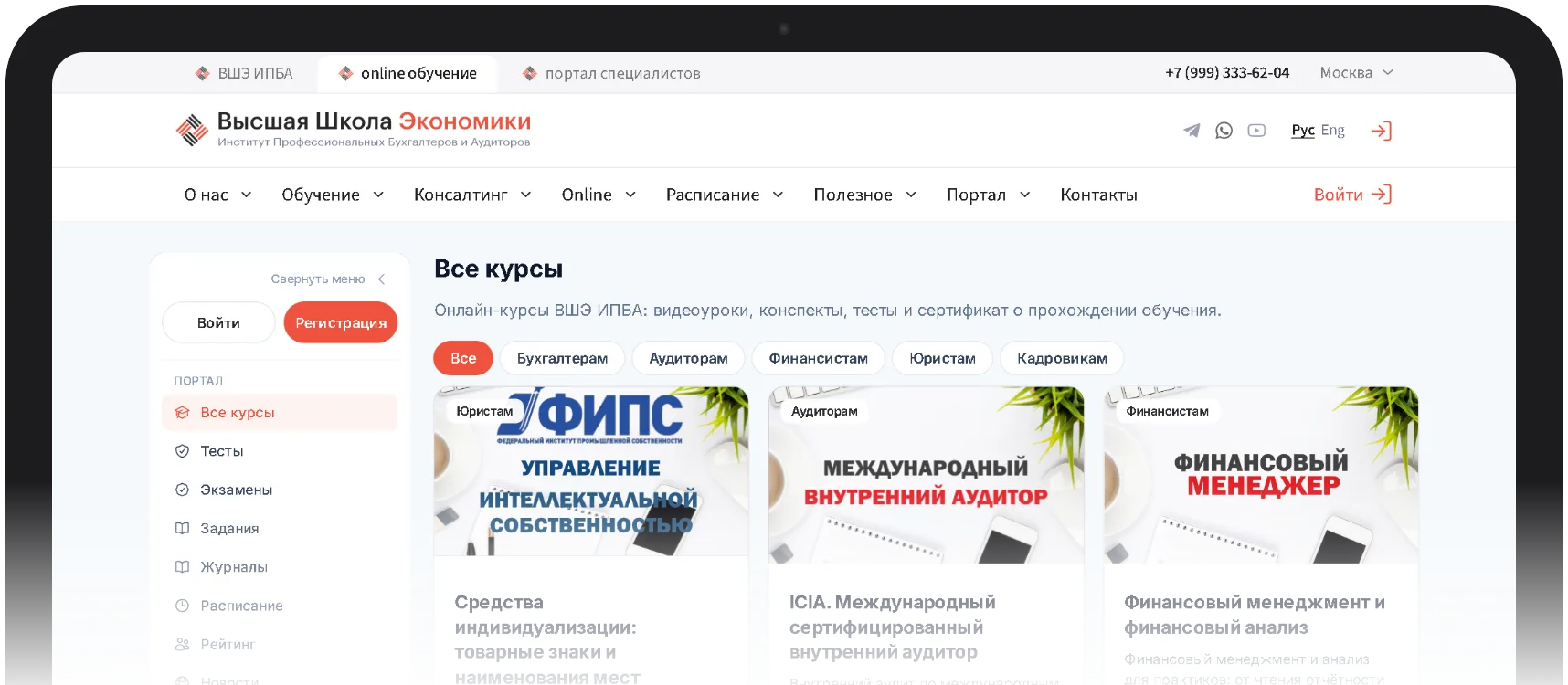
A convenient learning platform
A personal account with a clear interface: manage your training, track your progress and communicate with instructors in one place.
Training materials
All lectures, presentations and assignments in one place
Class schedule
A calendar with reminders of upcoming classes
Progress
Progress and completed assignments
Video lectures
Watch lectures at a convenient time
FAQ
Frequently asked questions about the Kaizen course
Didn't find an answer? Ask a question — a manager will reply and help you choose a program.
Ask a question01 Who is the «Kaizen» course suitable for?
The course is suitable for specialists who need to systematise their knowledge of "Kaizen", improve their qualifications and apply new skills at work.
02 What does the course programme include?
The programme covers the key requirements, professional tools and practical aspects of the course topic — a training on the philosophy and practice of continuous improvement: how to raise labour productivity without major capital investment.
03 Are practical classes included?
Yes. Theory is reinforced with practical assignments, examples and professional situations so that learners can apply their knowledge at work.
04 What are the duration and format of the training?
Format of training: from 10:00 to 18:00. Duration: Kaizen workshops and case studies.
05 What document is issued after the training?
After successful completion of the course, Handouts and templates are issued. The terms of the final assessment are communicated before classes begin.
Course price
250 000 ₸
Learn now, pay later!
30 427
₸/mo
23 958
₸/mo
Installments for 12 months
15%
Enroll in the course or get a free consultation
About the “Kaizen” program
Kaizen is the constant pursuit of improving everything we do, embodied in specific forms, methods and technologies. Companies that use this system increase the profitability and competitiveness of their business without major capital investment. It makes it possible to raise labour productivity by 50-100% or more. The training is intended as a first introduction to the philosophy of kaizen and for sharing practical experience of implementing the kaizen method with participants.
Target audience
- senior and middle managers,
- heads and specialists of quality departments,
- employees responsible for improving the enterprise management system.
As a result, participants will
Training participants will:
- become familiar with the basic principles of kaizen
- gain initial skills in developing and describing kaizen procedures, taking into account the specifics of their own enterprise or organisation.
- study the basic principles of Kaizen for use in business processes, the workplace and strategic management
- learn to think and to propose ideas within the concept of Kaizen, "continuous improvement" and a lean approach to doing business
- study the 5S tools and ways of introducing 5S practices in the Company
- practise the acquired knowledge in special Kaizen workshops and cases
The seminars run from 10:00 to 18:00.
Programme
- The concept of a process, its nature and essence.
- The Kaizen method.
- Tools for working with non-conformities (Ishikawa diagram, cause-and-effect relationship, FMEA process analysis, pairwise comparison, etc.).
- Designing and examining in detail the process of unplanned but continuous improvements.
- Designing the process of continuous planned improvements.
- Motivating staff to make improvements (monetary motivation, including types and methods of financial motivation. Methods of calculating bonuses for improvements).
- Methods of increasing creativity to find and generate genuinely new ideas.
- The 5S method as one of the aspects of the kaizen system.
- Simple lean production tools.
- Simple tools of E. Goldratt's theory of constraints.
- Answers to questions from the audience.
- Handouts
- a presentation of the training in electronic format,
- templates and document schemes needed to implement kaizen in your own organisation.
Instructors
Practising lecturers with many years of experience in implementing Kaizen methods.
Brief course overview
Developing a kaizen mindset among employees. Training staff in kaizen work. The role of the line manager in developing and improving production. Personal and professional qualities of a line manager.
Losses in leadership and communication. How losses in leadership and communication affect the work of a line manager. Training video "Is it easy to be a manager?" - part 1.
The system of interaction and development of production staff. Setting tasks. The ability to formulate tasks that work as much as possible towards the final result. Criteria for a well-set task and their use in practice. Practical exercise - practising task-setting skills using the SMARTER technology.
How to get away from the situation of constant "firefighting".
Practical exercise "One day in the life of a manager" - setting work priorities. The Eisenhower matrix.
Delegation. Why do managers avoid delegating? The basic principles of delegation. Rules for setting tasks when delegating. Choosing an employee to delegate to. Exercise "Assigning work" - practising the manager's understanding of what can and cannot be delegated.
The four levels of employee maturity. Management styles: when, which style and with which employees it is applicable. Identifying an employee's level of readiness in relation to a specific task.
Exercise - practising the skills of choosing a management style, setting tasks and choosing the type of control.
Tools for effective communication: constructive conversation techniques, seven rules of quality feedback, objections and working with saboteurs - 5 steps of a two-minute conversation.
Practical exercise - practising the skills of interacting with staff.
Training and developing employees. Identifying training needs. The competency matrix. Types of training. TWI technology - on-the-job training, effective mentoring.
Manager = leader. How a line manager should position themselves so that employees propose solutions themselves. The language of solutions and the language of problems.
Motivating employees to achieve successful work results. Individual work on an employee's motivation. Tools for assessing motivators. The company's benefit and the employee's benefit: points of contact. Common management mistakes. How to "ignite" employees with a project idea. Training video "Is it easy to be a manager?" - part 2.
Question-and-answer session.
Not sure which program to choose?
Our specialists will help you choose a program for your goals and answer all your questions. The consultation is free!
Reach us in one click: call us.
+7 (727) 224-21-21
contact us via messengers


