 hseipaa.kz




Civil procedural legislation
Pre-trial claims and litigation work and alternative dispute resolution methods
 4 programme modules
 Overview of legislative changes
 Certificate of completion of the course
“Online” — go to online learning: find a course, buy it and start right away

0
Seminar objective
The seminar standardises knowledge in pre-trial claims and litigation work and alternative dispute resolution, and examines complex issues of procedural law and litigation skills.

Presentation of evidence

Appealing court acts

Mediation and arbitration
What you will master
 Defining the subject and scope of the claims
Assessing the risks of a counterclaim
Measures to secure a claim and the procedure for applying them
Rules for evaluating evidence: relevance, admissibility, reliability
Stages of writ and simplified written proceedings
Procedure for filing a cassation petition
Conducting the mediation procedure and concluding an agreement
Who the seminar is designed for
Many lawyers face the need to represent a company's interests in court.

Dispute-handling skills
We examine tactics for successfully conducting a case and preparing a position.

Working with evidence
Burden of proof, subject matter and elements of judicial evidence.

Enforcement proceedings
Effective work at the final stage of the process.
Key procedural issues
We analyse the consequences of the procedural actions of the parties.

Amendment of the claim
Procedural consequences of changing the grounds or subject matter of a claim.

Waiver and acknowledgement of a claim
Consequences of withdrawing a claim, admitting a claim and a settlement agreement.

Parties to the case
The scope of procedural rights of the parties and third parties.

Inadmissible evidence
Data that is inadmissible as evidence and facts that do not require proof.
Who the training is suitable for
For company lawyers
For advocates
For claims and litigation specialists
For heads of legal services
For mediators
For contract management specialists
For novice lawyers
Programme content
Four modules with an overview of changes in civil procedure legislation.

4
programme modules

3
court instances

online
class format
- Order and simplified written proceedings, subject matter and scope of claims, measures to secure a claim.
- Legal force and assessment of evidence, burden of proof, inadmissible data.
- Appeal, cassation petition, review on newly discovered circumstances.
- Arbitration rules, the concept and essence of arbitration proceedings.
- Legal regulation in the RK, principles and stages, requirements for a mediator, professional ethics.
- Choosing a mediator, criteria of applicability, rules of conduct, settlement agreement.
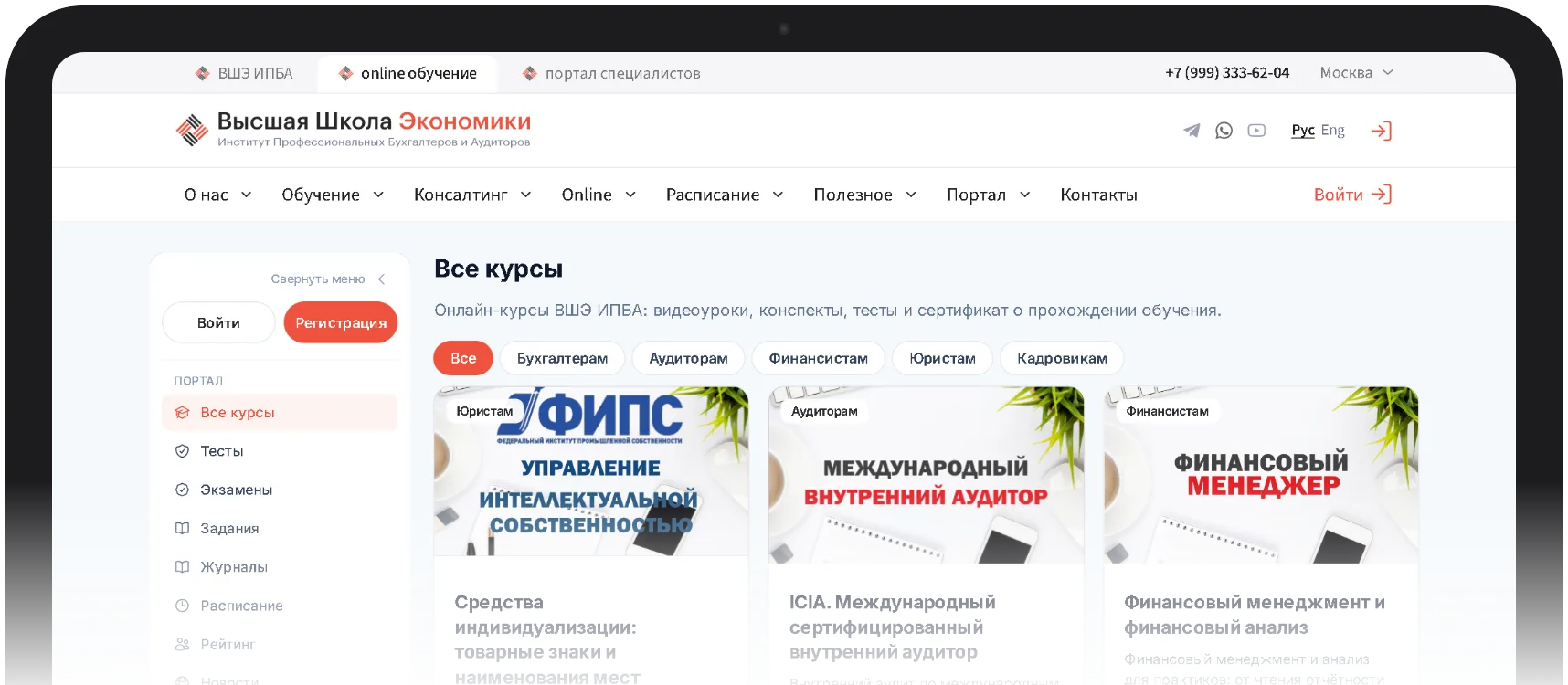
A convenient learning platform
A personal account with a clear interface: manage your training, track your progress and communicate with instructors in one place.
Training materials
All lectures, presentations and assignments in one place
Class schedule
A calendar with reminders of upcoming classes
Progress
Progress and completed assignments
Video lectures
Watch lectures at a convenient time
FAQ
Frequently asked questions about the course "Civil Procedure Legislation"
Didn't find an answer? Ask a question — a manager will reply and help you choose a program.
Ask a question01 Who is the course "Civil Procedure Legislation" suitable for?
The course is suitable for specialists who need to systematise their knowledge of “Civil Procedure Legislation”, improve their qualifications and apply new skills in their work.
02 What does the course programme include?
The programme covers the key requirements, professional tools and practical aspects of the course topic — claims and litigation work and alternative methods of dispute resolution.
03 Are practical classes included?
Yes. Theory is reinforced with practical assignments, examples and professional situations so that learners can apply their knowledge at work.
04 What are the duration and format of the training?
Format of training: 4 programme modules. Duration: Overview of changes in legislation.
05 What document is issued after the training?
After successful completion of the course, a Certificate of Course Completion is issued. The terms of the final assessment are communicated before classes begin.
About the “Civil procedural legislation” program
Current issues of civil procedure legislation
Aim of the seminar:
The seminar is aimed at standardising knowledge in the following areas:
- Pre-action claims and litigation work
- Alternative methods of dispute resolution
Many lawyers one way or another face the need to represent companies in court. The aims of this seminar are to analyse the most complex issues in applying procedural legislation, to familiarise lawyers with the skills of successfully conducting a court dispute, preparing a position on a case, presenting evidence, and working effectively at the enforcement proceedings stage.
Programme content, Review of changes in civil procedure legislation for 2024-2024:
Module 1. "Action proceedings, consideration of a case in the court of first instance". Writ proceedings. Simplified written proceedings
Determining the subject and scope of claims, determining the risks of counterclaims, determining whether it is advisable to initiate court proceedings;
- Response to a claim: content, drawing up and submission;
- Filing a counterclaim and the conditions for its acceptance by the court;
- Measures to secure a claim, recommended actions before filing a motion to secure a claim, appealing a ruling refusing to apply security measures;
- Procedural consequences of changing the grounds or subject of a claim, withdrawing a claim, admitting a claim and a settlement agreement; Persons participating in the case and the scope of their procedural rights, parties asserting and not asserting independent claims;
Categories of cases considered in writ proceedings and simplified written proceedings. Stages of the court process when considering cases in writ proceedings and simplified written proceedings.
Module 2. "Evidence and proof in civil proceedings"
The concept of evidence in civil proceedings. The legal force of evidence and the assessment of evidence from the point of view of relevance, admissibility and reliability;
- The burden of proof, the subject and elements of judicial proof;
- Factual data not admissible as evidence and facts not subject to proof. Objections to the court's acceptance of evidence;
[working with the audience using case examples]
- Examination and assessment of individual types of evidence:
Witness testimony, written evidence (including electronic messages/letters), opinions of experts and specialists.
Module 3. "Trial. Appealing court acts, review on newly discovered circumstances"
Trial, stages and procedures, closing arguments
appeal, features of appealing certain types of court acts through the appeal procedure, content and procedure for filing an appeal, submitting a response to an appeal, restrictions on presenting additional evidence in the court of appeal;
appealing court acts that have entered into legal force (cassation court); content and procedure for filing a cassation petition;
review of court acts on newly discovered circumstances, conditions and procedure for review.
Module 4 "Alternative forms of considering civil and commercial (economic) disputes. Mediation. Writ of execution"
Arbitration: arbitration rules, concept, essence.
Mediation. Legal regulation of mediation in the RK. Areas of application of mediation. Principles and stages of mediation. Requirements for a mediator. The role and functions of a mediator in the mediation procedure. Professional ethics of a mediator. Organising the mediator's work. Different schools and approaches in mediation. The understanding approach.
The parties' approach to a mediator. Choosing a mediator. Criteria for the possibility of considering a dispute through mediation. Determining whether the parties' dispute can be settled through mediation. Rules for conducting the mediation procedure. Concluding an agreement on settling a dispute through mediation.
Conditions and procedure for issuing a writ of execution.
Not sure which program to choose?
Our specialists will help you choose a program for your goals and answer all your questions. The consultation is free!
Reach us in one click: call us.
+7 (727) 224-21-21
contact us via messengers


