 hseipaa.kz




Anti-corruption compliance
Organising and implementing the compliance function for combating corruption
 Seminar
 Practical recommendations and cases
 Seminar participant certificate
190 500 ₸
/course
150 000 ₸
/course
“Online” — go to online learning: find a course, buy it and start right away

0
Why compliance is needed
Corporate ethics, integrity and social responsibility have acquired particular importance. The compliance function ensures adherence to regulatory anti-corruption requirements and protects the company's reputation.

Regulatory requirements on combating corruption

Setting up a compliance unit

The compliance programme and its elements
What you will get at the seminar
 Practical knowledge on organising the compliance function
Understanding compliance risk management in an organisation
Recommendations for implementing the compliance function
Knowledge of the elements of a compliance programme
Tools: third-party checks and a hotline
Answers to questions on compliance management in the real sector
Overview of changes in anti-corruption legislation
Why this is relevant
Market expectations are changing: investors, partners and consumers choose companies by their ethical reputation.

Regulators' requirements
The Anti-Corruption Agency of the RK promotes the presence of a compliance function in organisations.

Reputation protection
Non-compliance with the declared standards entails significant risks for an organisation.

International standards
We examine the FCPA, UKBA and the Law of the RK "On Combating Corruption".
Target audience of the seminar
The programme is designed for managers and specialists responsible for control and safety.

Managers
Senior and middle management of companies and financial organisations.

Internal control
Heads and specialists of internal control units.

Economic security
Specialists of the economic security service.

Compliance and lawyers
Compliance specialists and lawyers of organisations.
Who the training is suitable for
For senior executives
For middle-level managers
For financial organisation specialists
For internal control units
For economic security services
For compliance specialists
For company lawyers
Seminar programme
From the regulatory framework to the practical tools of a compliance programme.

5
reasons to attend the seminar

5
programme elements

2
key tools
- Documents of international and Kazakhstani regulators: FCPA, UKBA, the Law of the RK "On Combating Corruption".
- Current changes in anti-corruption legislation.
- Tasks and procedures of the department, functions of the compliance manager, interaction with departments.
- Tone at the top, identifying regulatory requirements, risk assessment, control procedures, communications, investigations.
- Hotline and due diligence of third parties.
- Compliance reporting and discussion of prospects for developing the function.
Course price
150 000 ₸

Learn now, pay later!
18 256
₸/mo
14 375
₸/mo
Installments for 12 months
15%
Enroll in the course or get a free consultation
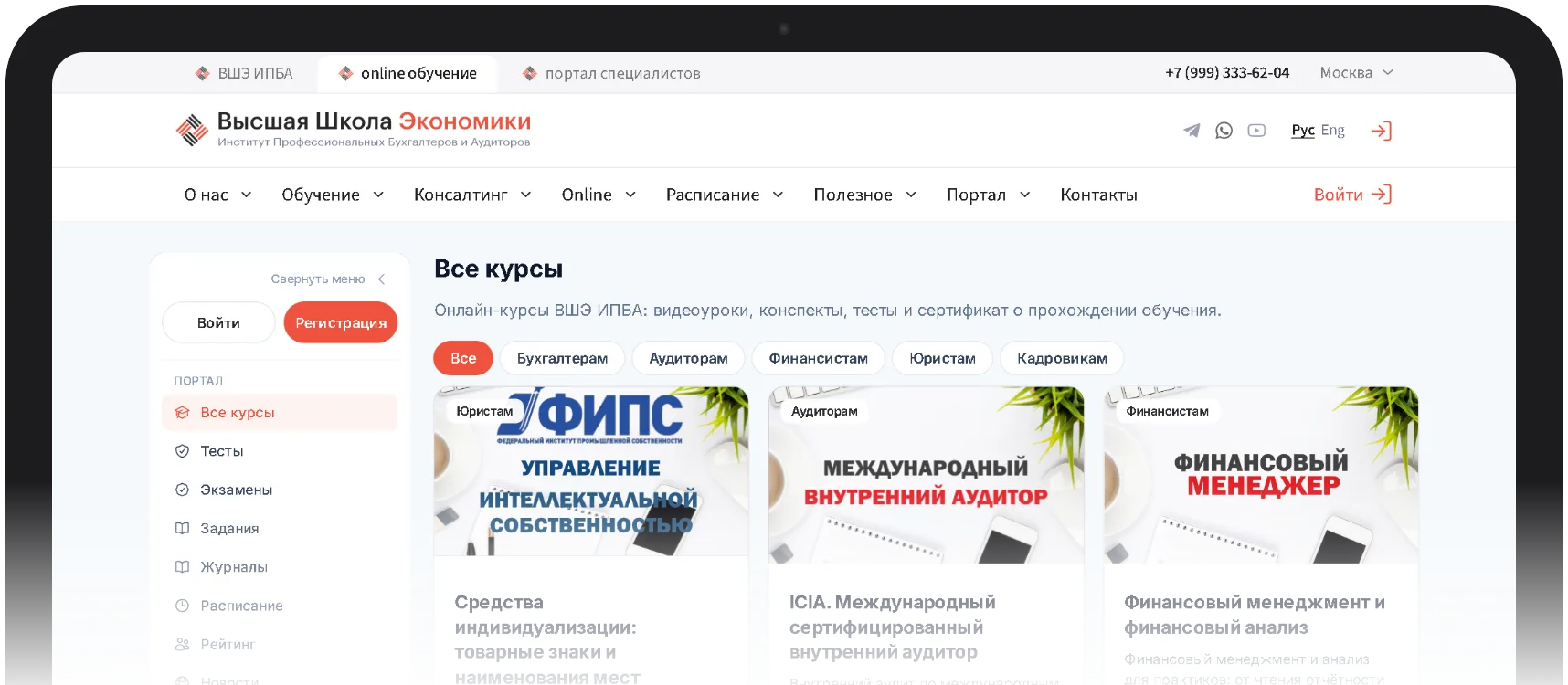
A convenient learning platform
A personal account with a clear interface: manage your training, track your progress and communicate with instructors in one place.
Training materials
All lectures, presentations and assignments in one place
Class schedule
A calendar with reminders of upcoming classes
Progress
Progress and completed assignments
Video lectures
Watch lectures at a convenient time
FAQ
Frequently asked questions?
Didn't find an answer? Ask a question — a manager will reply and help you choose a program.
Ask a question01 When is the training held?
Training is held once groups are formed, and the training time is agreed with the course participants. You can always study online at any convenient time on our portal on.hseipaa.kz.
02 What is the cost of training?
The tuition fee is fixed and available in the schedule, but may be changed for corporate groups and regions.
03 Who conducts the training?
Training is delivered by certified specialists with extensive practical and theoretical experience, as well as academic degrees and titles.
04 Where is the training held ?
Training is held in our classrooms, on site at the client, online via the on.hseipaa.kz platform.
05 How long is the course?
Training is held in our classrooms, on site at the client, online via the on.hseipaa.kz platform.
06 How long is the course?
Depending on the training programme, we recommend reviewing the Training section on our website. With online training you can always see the exact duration of the course down to the minute.
Course price
150 000 ₸
Learn now, pay later!
18 256
₸/mo
14 375
₸/mo
Installments for 12 months
15%
Enroll in the course or get a free consultation
About the “Anti-corruption compliance” program
Anti-Corruption Compliance
Corporate ethics, integrity and social responsibility have now taken on particular importance in organisations. Business owners and heads of organisations understand that their work will be more effective if a "compliance culture" in the broadest sense of the word is established and adopted in the organisation.
The expectations of those around organisations are changing: politicians, non-governmental organisations (NGOs), shareholders, employees and consumers increasingly make their decisions and choose in favour of companies based on their opinion of the company's values, reliability and ethical reputation. More and more organisations promote themselves in their marketing as "ethical brands" with "ethical products", and the compliance function plays its part in ensuring that the standards declared by the organisation are met. Failing to meet the declared standard carries significant risks for organisations.
One of investors' concerns today is the risk of corruption: investors are wary of investing in companies from countries with a high level of corruption. In line with best world practice, in response to these risks organisations develop and introduce anti-corruption compliance programmes, in which the compliance function is intended to ensure compliance with regulatory requirements on combating corruption, as well as other regulatory requirements.
At present the Anti-Corruption Agency of the RK is actively promoting, at the legislative level, the presence of a compliance function in quasi-public and private organisations, as confirmed by the latest amendments to the Law of the RK "On Combating Corruption"
Compliance – culture and the conduct of business
The challenges of the modern market – new regulatory requirements and initiatives – demonstrate the need for ethical business conduct and for protecting reputation in global markets. The compliance function is intended to ensure compliance with regulatory requirements on combating corruption.
Seminar objective
Developing participants' practical knowledge in organising and implementing compliance functions for combating corruption in organisations.
5 reasons to attend the seminar
- Learn about Kazakhstani experience in managing compliance risks in organisations
- Receive practical recommendations on introducing the compliance function in an organisation
- Find out what a compliance programme is and what its elements are
- Third-party due diligence and the hotline – as the main tools of a compliance programme
Get answers to your questions on compliance management in the real sector of the economy
Target audience
- Senior and middle managers of companies/financial organisations
- Heads/Specialists of internal control and economic security departments
- Heads/Compliance specialists/ lawyers
Seminar programme
- Documents of international and Kazakhstani regulators related to compliance and combating corruption (FCPA, UKBA, the Law of the RK "On Combating Corruption", etc.);
- Current changes in anti-corruption legislation
- Setting up a compliance department in an organisation:
- Tasks of the compliance department and procedures for carrying them out.
- Functions and job responsibilities of the compliance manager.
- Interaction with the organisation's departments within the key components of the compliance system;
- Compliance reporting;
- The compliance programme and its elements in practice:
- commitment of top management (tone from the top)
- identifying regulatory requirements and risk assessment
- control procedures
- communications
- compliance investigations
- The hotline as a tool for improving the organisation's internal processes and interaction with stakeholders;
- Integrity checks of third parties;
- Questions and answers, discussion with participants of the prospects for developing the compliance function;
- Closing.
Not sure which program to choose?
Our specialists will help you choose a program for your goals and answer all your questions. The consultation is free!
Reach us in one click: call us.
+7 (727) 224-21-21
contact us via messengers


