 hseipaa.kz




Fundamentals of the profession
The role of the journalist, the work of an editorial office, choosing a socially significant topic and understanding the audience of a publication.
Master the preparation of news, interviews and reports. Training is delivered jointly with our partner.
 12 months
 1024 hours
 Diploma of qualification
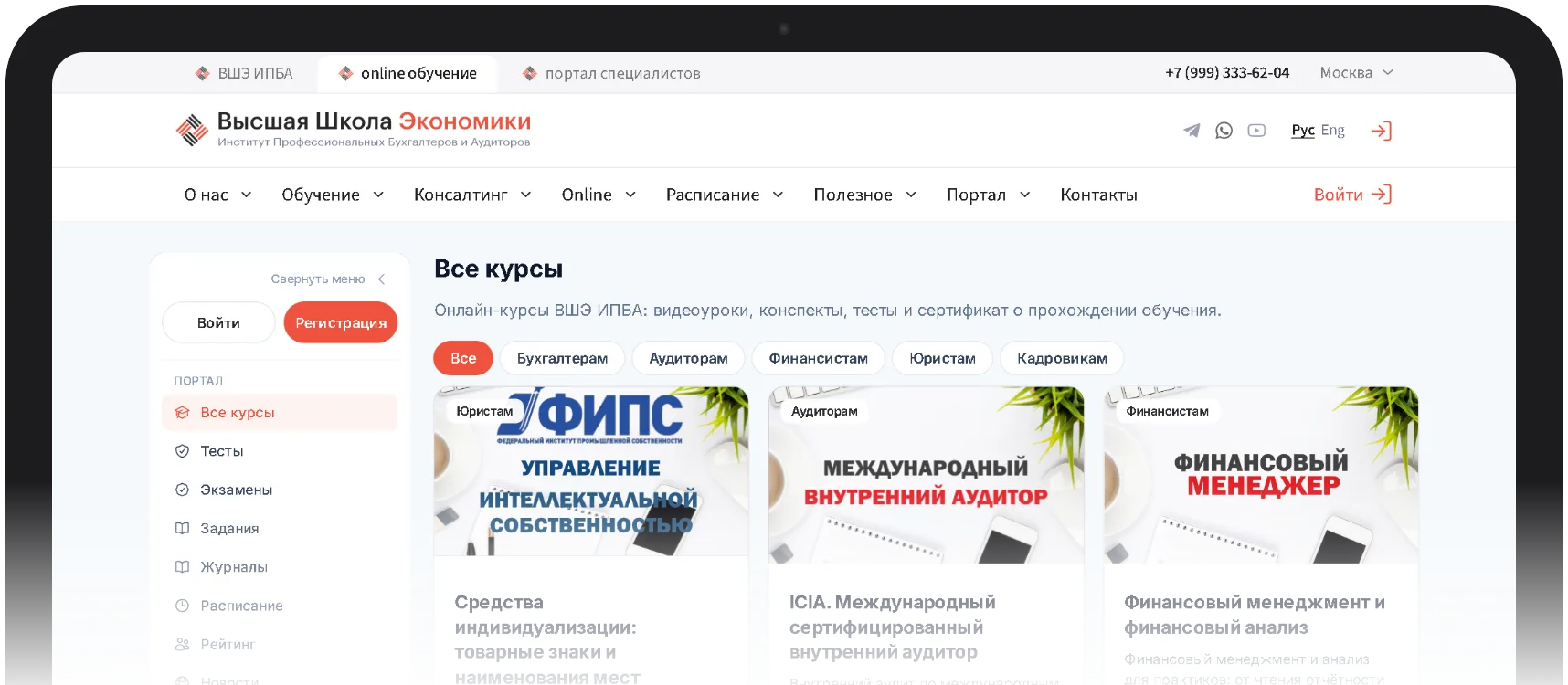
“Online” — go to online learning: find a course, buy it and start right away

A qualification programme jointly with our partner: finding topics, fact-checking, interviews, reporting and digital media. 12 months, 200 000 tenge.
The role of the journalist, the work of an editorial office, choosing a socially significant topic and understanding the audience of a publication.

Fact-finding, preparing questions, collecting comments and verifying the reliability of the information obtained.

News, interviews, reportage and analytical material: features of structure, argumentation and presentation of information.

Working with headlines, text logic and multimedia formats. Adapting publications to the platform and the audience.
 Finding significant topics and formulating the concept of a journalistic piece.
Find sources, verify information and separate facts from opinions.
Prepare interview questions and organise work with comments.
Write news, reports, interviews and analytical publications.
Edit texts and adapt materials for digital platforms.
Plan a publication taking into account the audience, professional ethics and the quality of information.
Professional training jointly with our partner with an emphasis on working with information and creating materials.

The qualification programme “Journalist” is delivered jointly with our partner and combines the key areas of the profession.

Over 12 months the full cycle of journalistic work is covered: from choosing a topic and finding sources to editing a publication.

The training covers text genres and principles of multimedia presentation useful for newsrooms, press offices and digital media.
Recommendations for successfully mastering journalism and developing professional skills in working with information.

For successful study, an interest in working with words, a readiness to develop written language and to edit text carefully are useful.

Curiosity, the ability to listen to an interlocutor and a readiness to verify information help in mastering journalistic methods.

It is recommended to read various media regularly, analyse the structure of materials and set aside time to prepare your own texts.
Beginner authors and students taking the "Journalist" qualification.
Employees of press offices and corporate media.
PR, content and public communications specialists.
Authors of digital projects who want to work with information systematically.
6 modules and 18 topics over 12 months: editorial work, sources, interviews, journalistic genres, digital formats and professional ethics.


200 000 ₸

Installments for 12 months
A personal account with a clear interface: manage your training, track your progress and communicate with instructors in one place.
All lectures, presentations and assignments in one place
A calendar with reminders of upcoming classes
Progress and completed assignments
Watch lectures at a convenient time
Didn't find an answer? Ask a question — a manager will reply and help you choose a program.
Ask a questionTraining is held once groups are formed, and the training time is agreed with the course participants. You can always study online at any convenient time on our portal on.hseipaa.kz.
The tuition fee is fixed and available in the schedule, but may be changed for corporate groups and regions.
Training is delivered by certified specialists with extensive practical and theoretical experience, as well as academic degrees and titles.
Training is held in our classrooms, on site at the client, online via the on.hseipaa.kz platform.
Training is held in our classrooms, on site at the client, online via the on.hseipaa.kz platform.
Depending on the training programme, we recommend reviewing the Training section on our website. With online training you can always see the exact duration of the course down to the minute.
200 000 ₸
Installments for 12 months
A journalist finds significant topics, gathers information and helps the audience understand events. This work requires good command of language, critical thinking, attention to detail and responsibility for the information published. The "Journalist" qualification programme at the Higher School of Economics (HSE IPAA) is delivered together with our partner. The training lasts 12 months and covers the main stages of preparing journalistic material: from the idea and working with sources to writing, checking and editing the text.
The profession involves much more than writing short news items. A journalist determines which question matters to the reader, finds the participants in events, studies documents and compares different positions. Then they choose a genre and structure the material so that facts, context and conclusions are clear to the audience. The quality of a publication depends on the whole chain of work. That is why journalism training combines methods of searching for information, communication skills, editorial logic and the ability to explain complex topics clearly.
Reliability begins with a careful attitude to the source. It is important to understand where the information comes from, what supports a claim and whether it can be verified independently. The programme covers searching for information in open sources, gathering comments and comparing data. Participants learn to separate observation from interpretation, and fact from opinion. Such training helps to avoid distortions of meaning and to build a publication on a verifiable basis while keeping the necessary context.
A good interview requires preparation: studying the topic, understanding the purpose of the conversation and a well-thought-out sequence of questions. The ability to listen, clarify and accurately convey the meaning of an answer is just as important. The course introduces the features of the news item, the interview, the report and the analytical piece. For each genre, the structure, work with details and the way of presenting facts are examined. The choice of genre depends on the task: to report an event quickly, to show its development, to present an interviewee's position or to explain the causes of what is happening.
The training includes six modules and eighteen topics. The first module is devoted to the profession and the work of an editorial office, the second to sources and fact-checking. Next come the interview, news, reporting and analysis. Separate blocks cover editing, digital formats and professional ethics. The sequence of topics helps to master the full cycle of work on a publication. The focus remains on the journalistic task: to find what is essential, check the information and present it in a form useful to a specific audience.
Editing helps to make material more precise and clearer. It includes checking the logic, removing repetition, working on the headline and first paragraph, and reconciling details and facts. For digital platforms it is also important to take into account how people read and the role of visual elements. The training covers adapting text for a website and other media channels, as well as the place of photography, audio and video in a publication. Multimedia tools should support the content: explain the event, show an important detail or complement the story.
The programme is intended for beginner writers, press office staff and specialists in PR, content and corporate communications. It is also useful for creators of digital projects who want to work with information systematically. To master the material, an interest in people and events, a readiness to read a variety of media and to work on texts regularly will be helpful. Professional skills develop through careful analysis of examples, independent preparation of materials and consistent checking of your own conclusions.
Training on the "Journalist" programme lasts 12 months, and the cost is 200,000 tenge. The qualification training is delivered together with our partner. The competencies gained can be applied when working with news, interviews, reports and information materials for editorial offices and press offices. To discuss admission and organisational terms, submit an application on the HSE IPAA website. When getting in touch, tell us about your experience and the formats that interest you: this will help to link the content of the programme to professional tasks and to prepare for the start of training.
Our specialists will help you choose a program for your goals and answer all your questions. The consultation is free!


